League of Legends dev update outlines new season gameplay changes

Riot Games has released a new League of Legends dev update outlining 2026 Season 2 Act 1, titled Pandemonium, alongside gameplay changes, Arena events, Discord integration and the move of WASD controls into ranked-facing play.
That matters because seasonal system changes now do more of the competitive heavy lifting in 2026, especially with Patch 26.9 functioning as a key delivery point for Riot’s lower-disruption year.

The key distinction is that this is not just a cosmetics-and-features update. As readers will have seen in our coverage of LoL Season 2 2026 gameplay changes, Riot is still adjusting gold flow, lane incentives and movement systems at the same time, which means the pro implications sit underneath the headline announcements rather than beside them.
Riot is using the dev update to reinforce systemic Season 2 changes rather than announcing a separate competitive reset
According to GameGrin, Riot’s near-15-minute dev update covers Season 2 Act 1: Pandemonium, upcoming skins, three Arena game mode-wide events, Discord integration, new surrender rules for games with intentional feeders, and the arrival of WASD controls to ranked. It also sets dates for Your Shop and Essence Emporium, which are useful live-service markers but not the competitive centre of gravity.
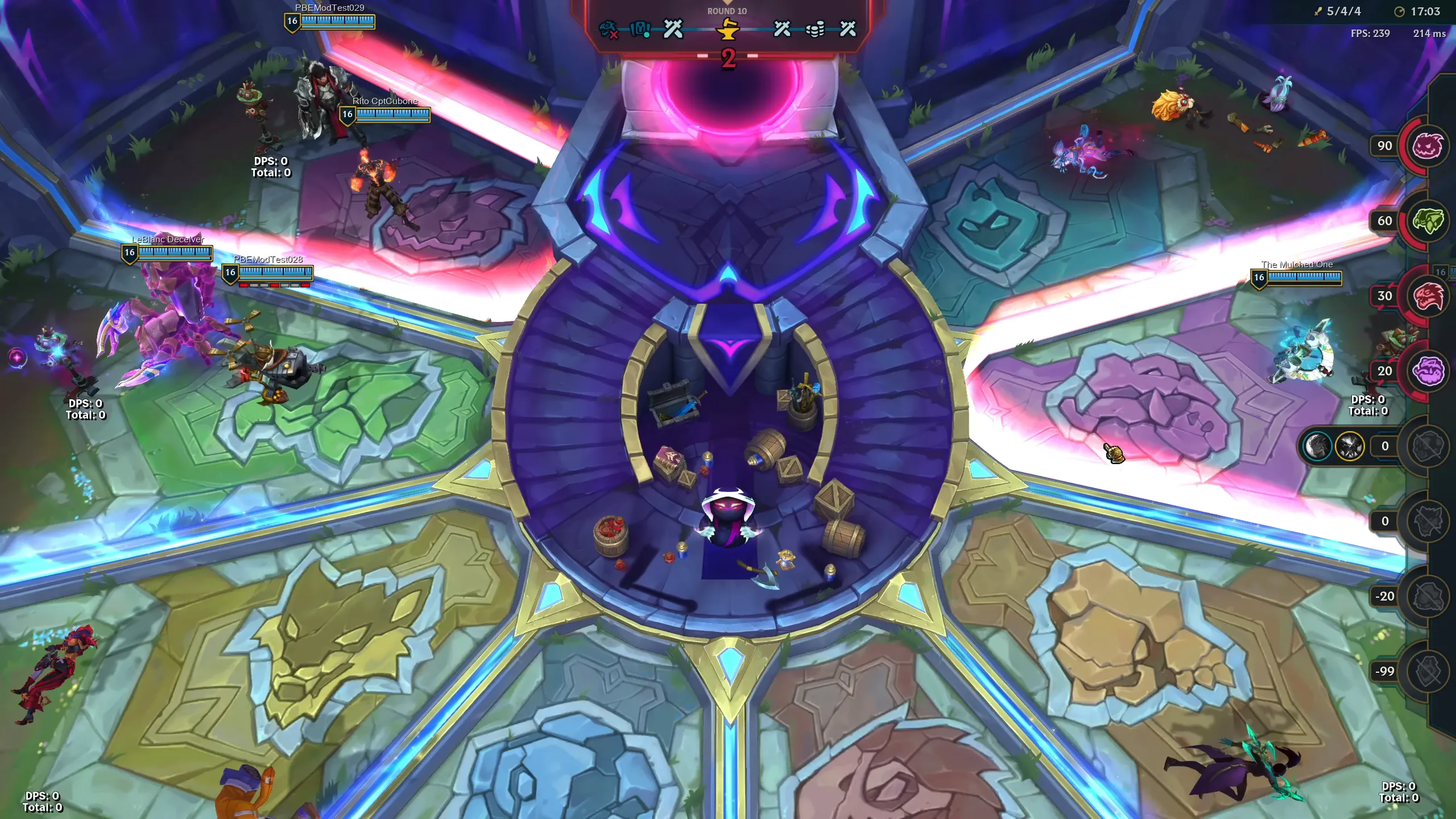
That matters because the gameplay layer underneath this update is where the real pressure sits for LEC, LCK and LPL teams. External patch reporting has already pointed to meaningful system shifts including higher First Blood and first tower rewards, reduced plating income, changing turret durability windows, crit damage returning to 200%, and the return of runes such as Deathfire Touch and Stormraider’s Surge, as outlined by ONE Esports.
That reads less like Riot preparing a fresh competitive format break and more like Riot tightening the incentives around lane control, tempo and earlier map conversion. For stronger early-game regions such as the LPL, that could reward teams already comfortable snowballing side pressure into tower gold, while slower LCK setups may benefit if the new systems still preserve disciplined reset timings and objective control. The next complication is whether these rewards are strong enough to shift drafting without producing another short-lived overcorrection.
The changes should increase the value of lane agency, but only if pro teams trust the new rewards more than old scaling patterns
The clearest pro-play takeaway is that solo lanes and bot lanes may gain more immediate draft importance if Riot’s economy and movement changes land as currently described. Higher rewards on first blood and first tower, lighter plating payouts and weakening outer turrets across the mid game all point toward earlier structural punish rather than passive wave trading.
That matters because teams in the LEC have often been quickest to exploit temporary lane-state quirks when Riot changes map incentives, while the LCK tends to stabilise around cleaner optimisation once the numbers are solved. In practical terms, that could reopen value for aggressive marksmen, roaming mids and top laners that can force prio without needing five-item insurance, especially if Stormraider’s Surge and crit changes improve burst-and-reset windows for specific carry profiles.
WASD moving further into ranked-facing play adds a second layer to that conversation. As covered in our earlier reporting on LoL controller and WASD support, Riot is still framing input flexibility primarily as accessibility, but any movement change that alters kiting consistency or spell-buffer execution will be watched closely by pro-adjacent players and solo queue specialists.
The risk side is straightforward. If the underlying tuning pushes too much gold and tempo into the first successful lane break, pro drafts could narrow around hyper-reliable early push and jungle path protection, which would reduce rather than increase strategic diversity.
Riot is treating Pandemonium as part of a wider 2026 philosophy of lighter resets and constant systems tuning
This update fits Riot’s broader 2026 posture more than it breaks from it. Rather than using a dramatic midseason-style rupture, Riot appears to be layering seasonal identity, accessibility features and systemic balance changes into regular live patches, then communicating them through dev updates that package both gameplay and service content together.
That matters because it changes how competitive readers should interpret Riot messaging. The old signal for a meta break was often a single oversized patch or event; now the more useful reading is cumulative, with dev videos, patch notes and ranked-facing tests combining into a slower but still meaningful shift. Our recent report on the competitive impact of Patch 26.9 sits directly in that pattern.
The design philosophy also appears consistent with Riot’s recent attempts to give lanes more agency while reducing some of the map’s older automatic protections. If Riot can keep that approach stable, regions with faster adaptation cycles should gain an edge. If Riot misses on tuning, the failure mode is repeated micro-corrections that prevent any pro meta from settling long enough to matter.
The next thing to watch is whether early ranked and pro feedback agree on what these changes are actually rewarding
The next meaningful data point is not the dev video itself but the live performance of these systems once teams, analysts and high-MMR solo queue players start testing them at scale. That includes whether lane-priority champions convert the new economy cleanly, whether crit and rune changes create real draft movement, and whether WASD remains a niche accessibility option or becomes a sharper execution tool than Riot intends.

If early data from Patch 26.9 and the first Pandemonium weeks shows stable gains for proactive lane setups, then Riot’s 2026 philosophy will look coherent. If the patch instead produces unstable snowballing or input-related execution gaps, Riot may have to trim back the very systems it is using to define Season 2.

Stay Updated with the Latest News
Get the most important stories delivered straight to your Google News feed — timely and reliable
From breaking news and in-depth match analysis to exclusive interviews and behind-the-scenes content, we bring you the stories that shape the esports scene in the UK.
Monthly Visitors
Esports Covered
Years experience
Trending Stories