LEC co-streaming debate heats up as community weighs official vs creator watch parties

Riot Games and the wider League of Legends esports community are once again at the centre of a co-streaming debate, with discussion around the LEC heating up after ESL’s recent Counter-Strike rules change prompted fresh comparisons across scenes.
According to Sheep Esports, Riot declined a request for interview on the issue.
That matters now because the LEC is no longer just competing on match quality or production polish, but on where fans actually choose to watch. In a league where creator watch parties now shape audience habits as much as the official desk does, the balance between broadcast control and community reach has become a live ecosystem question.
What co-streaming actually involves in the LEC context
In practical terms, LEC co-streaming means approved creators can broadcast Riot’s matches to their own audiences while adding live commentary, reaction and community-driven framing. Fans know the broad format already, but Riot’s system is still permission-based rather than fully open, with rights, access and conditions determined by the publisher rather than treated as a default free-for-all.
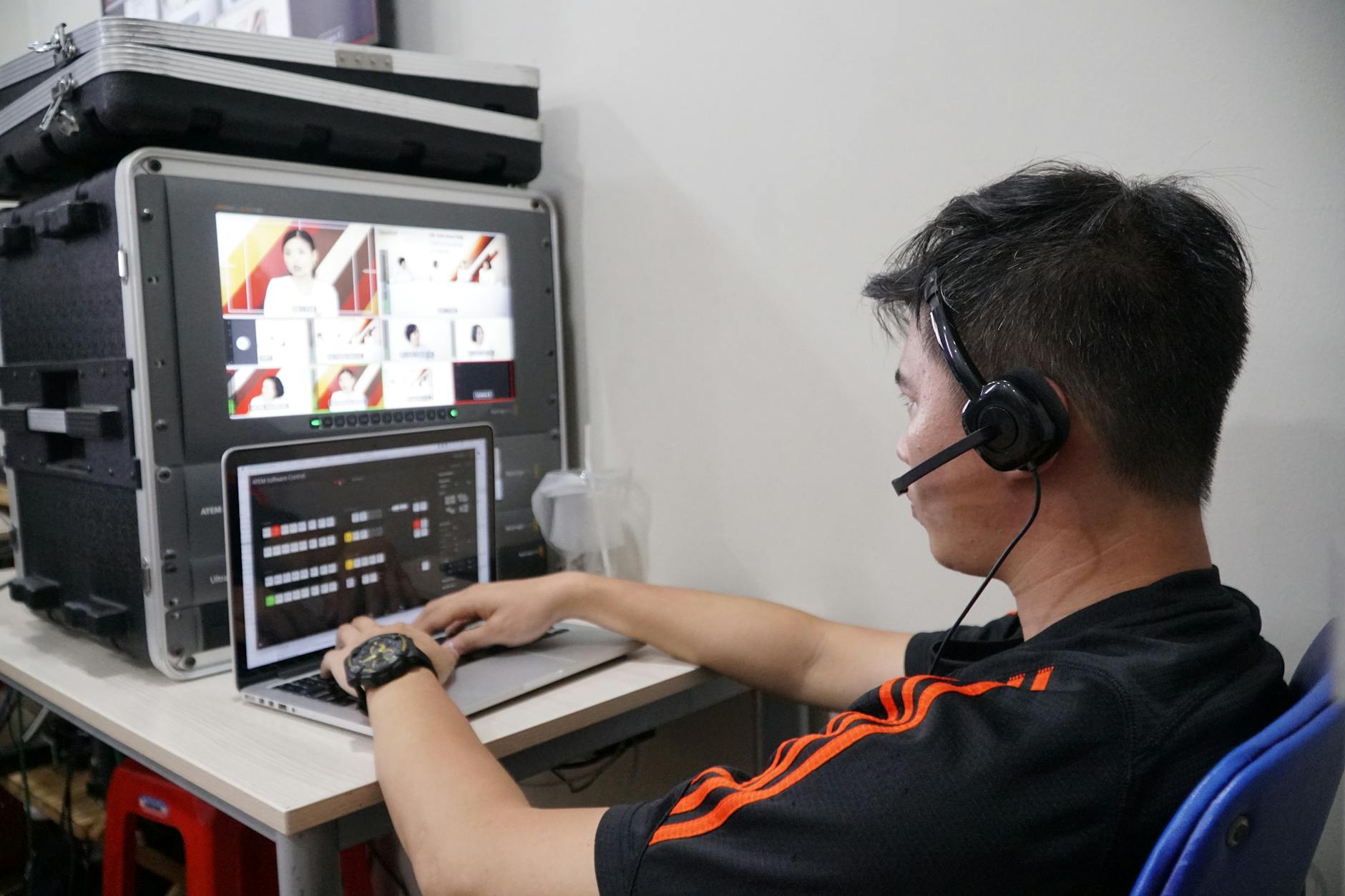
According to reporting around Riot’s recent expansion plans for 2026, the company is moving further into structured integration rather than stepping away from the model, including on-site co-streaming booths in Berlin and team-linked creator arrangements. That suggests Riot sees watch parties as part of the LEC product mix, even if the exact commercial boundaries remain tightly managed.
It also means the current debate is not really about whether co-streaming exists. It is about how much value can sit outside the official channel before the core broadcast starts losing strategic ground.
Why the debate has resurfaced after Counter-Strike’s latest flashpoint
The immediate trigger was ESL’s Counter-Strike rules change, which reopened a familiar argument about who gets to distribute top-tier esports and under what terms. That wider conversation has spilled into League of Legends, where figures including Marc Robert ‘Caedrel’ Lamont are regularly central to how major matches are consumed, discussed and clipped.
This will not come as a surprise to those who have followed the scene closely. The same fault line has appeared before whenever creator audiences surge or when official broadcasts face criticism, and Riot’s own broadcast decisions have remained under scrutiny, as seen in our coverage of Riot’s apology after the Karmine Corp and Kyeahoo broadcast incident.
According to Sheep Esports, community reaction has again split between those who see co-streaming as a net positive for reach and those who worry that the official product becomes weaker if too much attention migrates elsewhere.
The case for official broadcasts remains tied to control, consistency and commercial stability
The strongest argument for the official LEC broadcast is straightforward: Riot’s own show is the one built to carry the league’s full commercial and editorial structure. It offers the production package, sponsor integration, league branding and consistent storytelling that tie a season together, including the format context casual viewers may miss, as outlined in our LEC Summer Split format explainer.

That matters because esports leagues do not just need viewers; they need viewers inside a product they can monetise and measure reliably. If the prestige moments, sponsor impressions and community conversation increasingly happen somewhere else, the official broadcast risks becoming the expensive backbone of an experience other channels benefit from more directly.
The case for creator watch parties is rooted in reach, personality and fan habit
The case for co-streaming is just as clear. Creator watch parties make big matches feel more personal, more reactive and often more accessible, especially for audiences who follow a personality first and a league second. In League of Legends, that dynamic has helped major events post huge numbers, with co-streamers playing a visible role in record Worlds viewership growth.

That matters because the modern esports audience does not always arrive through the official front door. Creator-led distribution is increasingly part of how games stay culturally present, which is also why wider industry experiments around alternative broadcast lanes matter, as our reporting on the ESL FACEIT Group and Kick partnership showed in Counter-Strike and Dota 2.
There is also a practical fan argument here: some viewers simply prefer a trusted creator’s voice to the official desk. Restricting that too heavily may protect central control, but it can also reduce the total amount of engagement around a league.
A recurring tension in LoL esports broadcasting keeps coming back
This will not come as a surprise to those who have followed the scene closely. League esports has spent years trying to solve the same puzzle: how to use creator energy without letting too much audience value pool around a handful of names, and how to preserve the authority of the official broadcast without ignoring where fan attention has already moved.
According to recent industry analysis from Esports Insider, the underlying problem is not simply that co-streaming works, but that the value it creates can be unevenly distributed. That helps explain why the debate keeps returning even when viewership gains are obvious: growth on its own does not settle who captures the upside.
What comes next
For now, the immediate question is simple: whether Riot can keep expanding LEC co-streaming without further weakening the status of the official broadcast. The next thing to watch is not just policy language, but how Riot structures creator access, team partnerships and future viewership reporting as the 2026 season gets closer.

Stay Updated with the Latest News
Get the most important stories delivered straight to your Google News feed — timely and reliable
From breaking news and in-depth match analysis to exclusive interviews and behind-the-scenes content, we bring you the stories that shape the esports scene in the UK.
Monthly Visitors
Esports Covered
Years experience
Trending Stories

More to explore