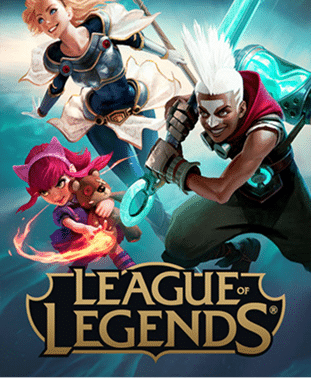
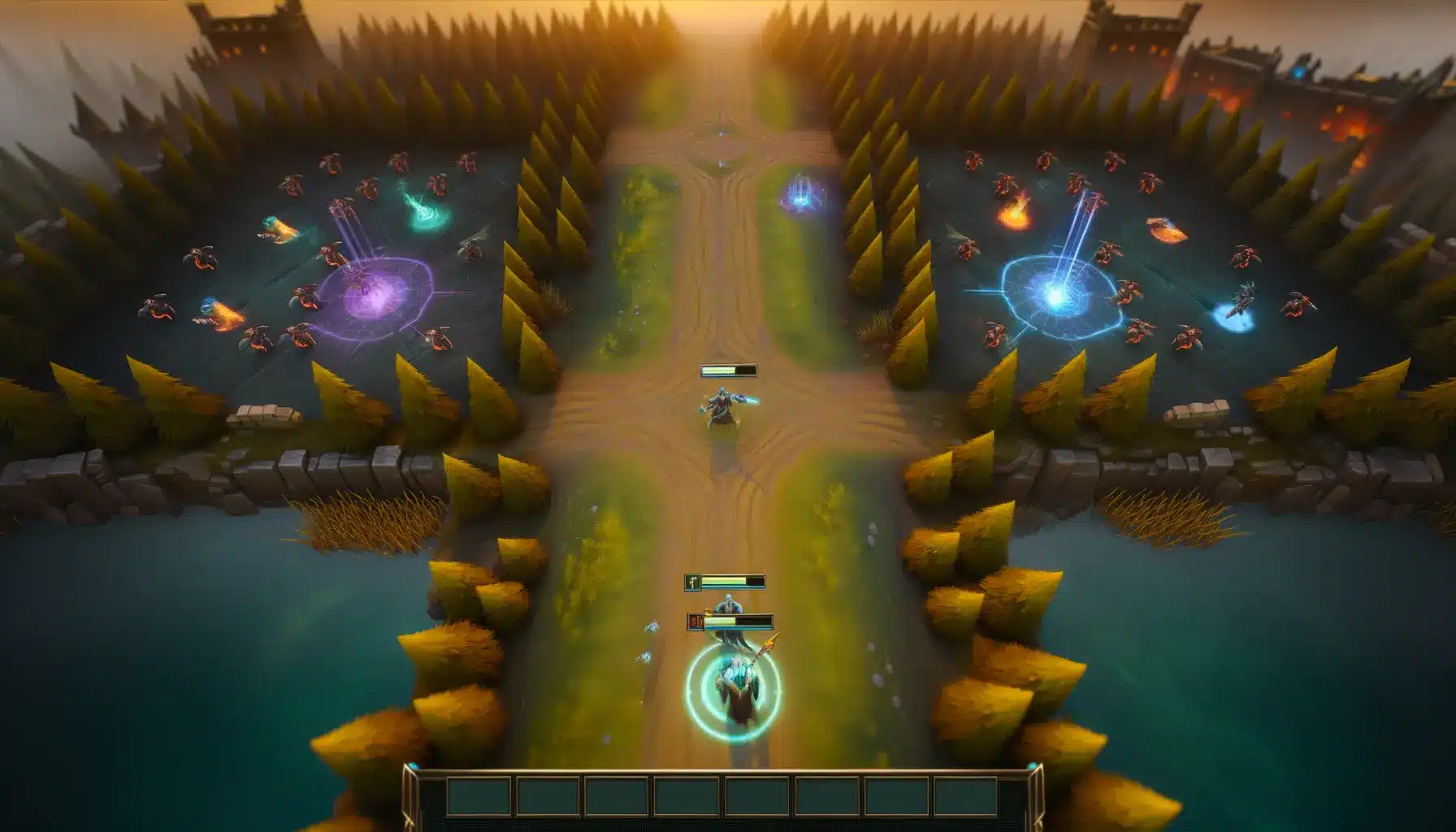

Patch 26.9 arrives on April 29, 2026 as the launch patch for League of Legends Season 2, bringing in the systems Riot held back during the lighter 26.8 cycle. That timing matters because Riot has already signalled a lower-disruption year, so patches like this now carry more of the burden for shifting competitive priorities.
For pro play, the headline is not one isolated buff or nerf but a cluster of changes touching controls, starting itemisation and champion access. In a year without a major mid-season reset, as covered in Esports News UK’s earlier reporting on Riot’s no-midseason-update approach, that gives Patch 26.9 more weight than a standard late-April patch.
Riot is using Season 2 to push competitive systems without resetting the game all at once
According to reporting from Hotspawn, Patch 26.9 formally brings WASD controls into ranked after Riot said extensive testing had brought them to near parity with point-and-click movement. Riot developers Pabro and Matt ‘Meddler’ Leung-Harrison had already framed that testing as successful, with only a small remaining edge for traditional controls, which keeps the change in the accessibility lane rather than the competitive-advantage lane.
That matters because any control scheme change landing before key regional weeks immediately raises questions about execution ceilings, especially on champions with tight kiting patterns or heavy repositioning demands. Riot’s answer appears to be that this is about player comfort and onboarding, not raw power, but pro teams will still test whether certain bot laners or mid picks gain consistency from champion-specific keybinds and cleaner movement inputs under pressure.
The other systemic addition is the new vote-to-end feature for games where toxic behaviour is detected, alongside beta Discord integration in the US, Canada and Brazil. Those are not direct stage changes, but they are part of the same Season 2 philosophy already outlined in this broader breakdown of the Season 2 2026 gameplay changes: fewer headline resets, more targeted interventions around how the game is played and experienced. The key implication is simple. Riot wants stability without stillness.
The early-game item and rune tuning should reopen lane planning more than it rewrites draft
According to Hotspawn’s summary of the patch contents, Season 2 also brings notable early item and rune changes, including Deathfire Touch and new starting options such as Doran’s Bow and Doran’s Helm. Doran’s Bow offering AD, attack speed and omnivamp points directly at sustained lane trading patterns, while Doran’s Helm adds a sturdier defensive profile with bonus minion damage that could smooth out weak early states into oppressive lanes.
That matters because starting items are often less about isolated efficiency and more about which lanes get to survive without surrendering priority. If Bow users can stabilise while keeping enough threat to contest wave control, bot lane pairings with mixed poke and sustained DPS get more room in draft; if Helm becomes the default answer into physical or flex pressure, it may reduce the punishment window on blind picks in solo lanes and support setups.
Deathfire Touch adds another layer by rewarding extended contact rather than purely frontloaded burst, especially if the burn doubling after three seconds proves reliable in real lane patterns. For analysts already tracking champion-specific matchup pressure, the same kind of tuning logic seen in recent discussion around hidden counters and lane feel matters here too: Riot may be changing numbers, but the real effect will be whether draftable champions gain or lose breathing room in their worst lanes.
If Riot misses on tuning, the failure mode is narrow rather than dramatic. One start item can become mandatory, one rune can over-reward low-risk trading, and a patch sold as choice quickly hardens into solved openers.
The timing should reward LEC teams that adapt fastest to flexible lane states and reworked champion value
For the LEC, the immediate read is that Patch 26.9 should favour teams comfortable reading lane states quickly rather than teams relying on a fully settled patch script. New starting items, a fresh rune and the reported full Zeri ability rework all push attention back toward draft ambiguity, while Xin Zhao’s movement buffs could reinforce engage setups that value repeat entry angles and longer skirmish windows.
That usually benefits rosters with strong support-jungle coordination and coaching staffs willing to test fringe openers before the rest of the league catches up. It does not guarantee a region-wide style shift, but it does increase the value of teams that can turn uncertain early-game tuning into practical draft edges, especially in week-one best-of formats where preparation gaps show up quickly.
The risk side is straightforward. If Zeri’s rework lands too hot or if one of the new lane starts removes too much early punishability, adaptation gives way to priority lock, and regional identity shrinks around the same handshake picks and answers.
The next test is whether Patch 26.9 creates usable pro-play movement without immediate follow-up nerfs
April 29, 2026 is the key date because that is when Season 2 officially goes live and the first serious data cycle begins. Solo queue uptake on WASD, early win-rate reads on the new starts, and the first post-patch regional matches will show whether Riot has actually widened strategic choice or simply relocated power into a few cleaner packages.
The next thing to watch is whether Doran’s Bow and Doran’s Helm hold long enough to reshape lane expectations, whether Deathfire Touch creates meaningful pick-ban pressure, and whether reworked Zeri becomes a real draft problem rather than just a curiosity. For now, Riot’s bet is that a lighter seasonal philosophy can still produce competitive movement if enough small systems change together.

Stay Updated with the Latest News
Get the most important stories delivered straight to your Google News feed — timely and reliable
From breaking news and in-depth match analysis to exclusive interviews and behind-the-scenes content, we bring you the stories that shape the esports scene in the UK.
Monthly Visitors
Esports Covered
Years experience
Latest League of Legends

Trending Stories