IOC reportedly suspends its esports commission in Olympic gaming setback

The International Olympic Committee has reportedly suspended the activities of its Esports Commission, in a significant rollback of the Olympic body’s recent push into competitive gaming.
That matters because the IOC was one of the few traditional sports institutions still trying to build an Olympic-branded route into esports legitimacy, and a pause at this level leaves publishers, federations and rival event organisers with even more room to shape that space instead.
What the IOC esports commission suspension involves
According to Ministry of Sport, citing reporting from Kyodo, the IOC has put the commission’s activities on hold under president Kirsty Coventry.
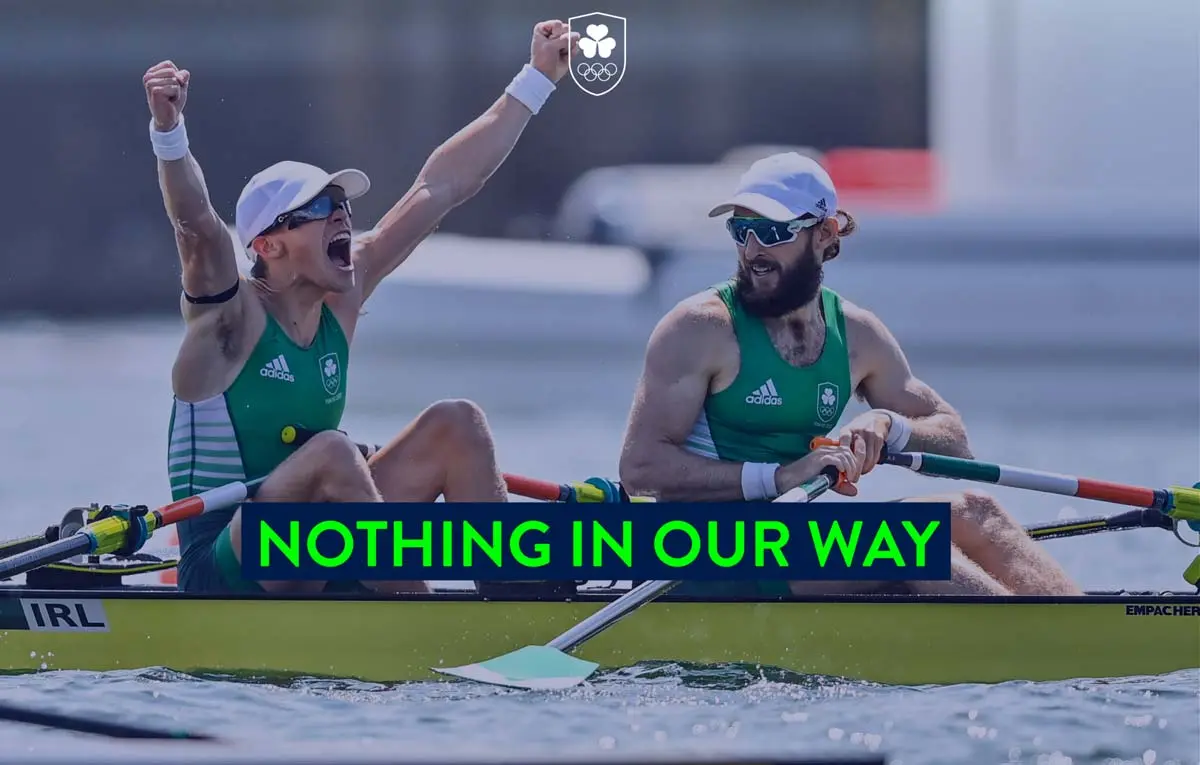
- Status: The commission’s activities were reportedly suspended as of May 2026.
- Leadership shift: Coventry, elected IOC president in June 2025, has reportedly moved the organisation towards a more traditional and fiscally conservative strategy.
- Internal messaging: In late January 2026, Coventry reportedly told group members she wanted a “more integrated approach” to esports within the wider Olympic structure.
- Saudi plan: The proposed Olympic Esports Games in Saudi Arabia, first targeted for 2025 and later pushed to 2027, were officially cancelled on October 30th 2025.
- Wider cost pressure: The IOC is also reportedly reducing sports and disciplines around Brisbane 2032 and has scrapped plans to trial Summer Olympic sports at the 2030 French Alps Winter Games.
- Known friction points: Publisher IP control and restrictions around violent game content remained unresolved issues, affecting companies including Riot Games, Valve, Epic Games and Capcom.
What has not been publicly detailed is whether the commission has been formally dissolved, who exactly remains involved in any replacement structure, or whether the IOC still intends to revisit an Olympic esports model later in Coventry’s presidency.
What the IOC said about the esports commission suspension
No substantial fresh executive quote from the IOC was included in the initial report beyond Coventry’s reported reference to a “more integrated approach” in a message to group members.
According to Kyodo, an anonymous source said the commission’s activities had effectively “come to a close”. That is a meaningful line, even if it stops short of a formal disbandment announcement.
No broader public response from major publishers was attached to the report, and that silence is notable in itself. Together, the message from both sides is straightforward: the IOC is stepping back from a standalone esports structure, while the companies that actually control the games do not appear to be rushing in to save that model.
What the IOC esports commission suspension means for competitive gaming
This is less about one committee and more about the collapse, at least for now, of the IOC’s attempt to build an Olympic version of esports on Olympic terms. That model was always awkward: the IOC wanted institutional control, content rules and brand-safe presentation, while esports runs on publisher-owned IP, open commercial competition and, in some of its biggest titles, games the Olympic movement was never fully comfortable endorsing.
That is especially relevant for readers who follow Counter-Strike and League of Legends. League has already shown it can work inside a multi-sport framework through the Asian Games, while Counter-Strike was always going to struggle under Olympic content restrictions. Simple as that.
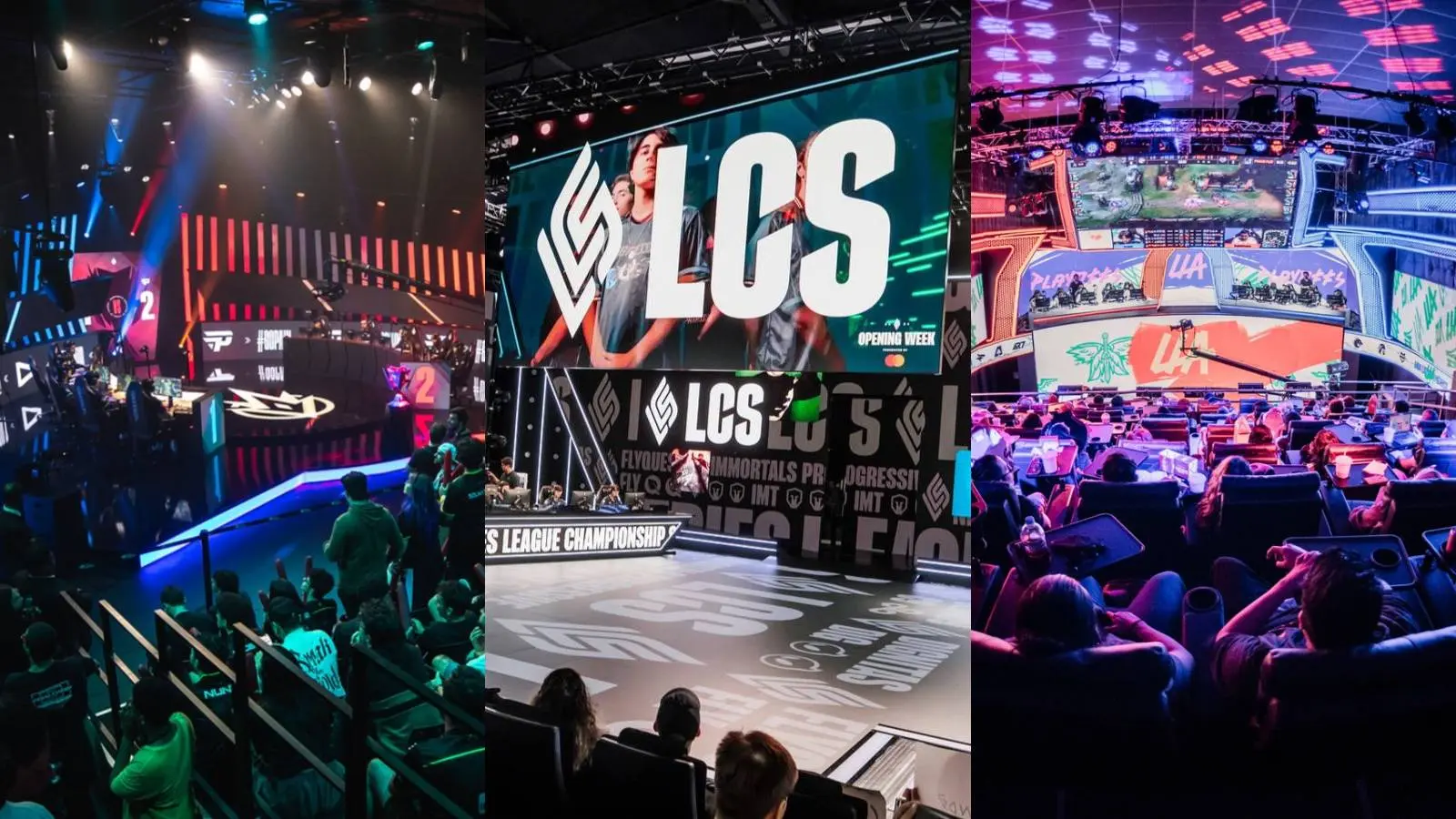
The practical effect is that alternative international structures now look even more important. As Esports News UK recently covered in our coverage of the ENC 2026 16-game lineup, there are already other federation-style attempts to organise esports across national representation. We also recently covered the Global Esports Federation’s partnership with Trivandi, which showed another body moving in the opposite direction by professionalising event delivery rather than freezing activity.
That wider race matters. If the IOC cannot make the Olympic pitch work, then the Global Esports Federation, regional multi-sport bodies and Saudi-backed projects get a clearer lane to define what “international esports legitimacy” looks like in practice. That pitch makes sense.
There is also a timing problem for the IOC. While its structure stalls, events outside the Olympic system are still happening, and as Esports News UK recently covered in our report on the Global Esports Games Mumbai 2026 finals, that ecosystem is not waiting around for Lausanne to make up its mind. The longer the pause lasts, the less central the IOC becomes to esports’ institutional future.
Even the IOC’s own early experiments never fully solved the core issue. The Olympic Virtual Series and Olympic Esports Series leaned heavily on sports simulations and showcase formats, but the audience gravity in competitive gaming still sits with publisher-led ecosystems and top-tier titles, not Olympic-friendly substitutes. For all the talk of youth engagement, the real leverage was never in the IOC’s hands.

What comes next
The next checkpoint is the IOC Session in Mumbai in July, where Coventry could either outline a revised esports framework or leave the current pause effectively in place.
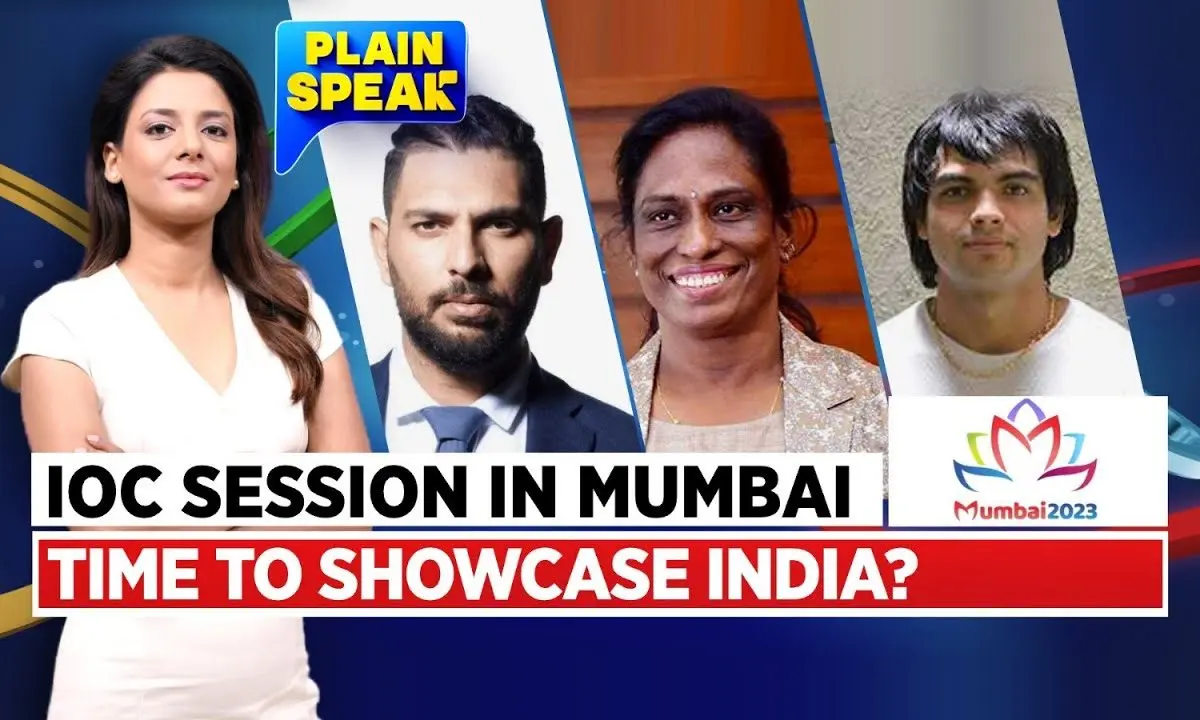
If that clarification lands cleanly, the real test will be whether the IOC still wants a meaningful role in competitive gaming at all, or whether Olympic esports has now been overtaken by publisher ecosystems, Asian multi-sport integration and independent international events.

Stay Updated with the Latest News
Get the most important stories delivered straight to your Google News feed — timely and reliable
From breaking news and in-depth match analysis to exclusive interviews and behind-the-scenes content, we bring you the stories that shape the esports scene.
Monthly Visitors
User Satisfaction
Years experience
Trending Stories