
PUBG Esports posts new update as competitive circuit continues to evolve
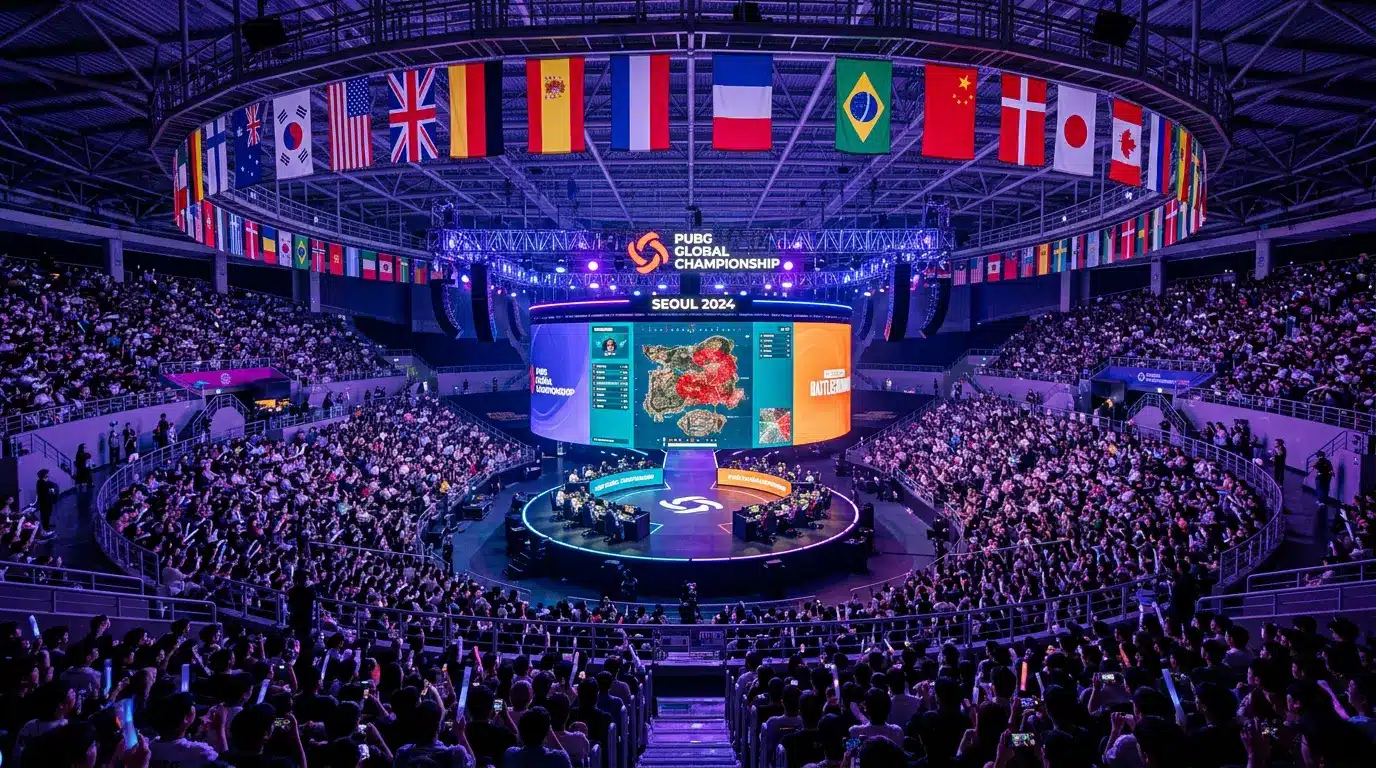

PUBG Esports has published a new update confirming how PUBG Nations Cup 2025 players will be selected across EMEA and the Americas, with 24 national teams set to compete in Seoul, South Korea in late July.
That matters because this is the part where a national-team event stops being a poster and starts becoming a real competitive structure. Selection rules shape who actually gets to represent each country, and in PUBG that can decide the strength of the entire tournament before the lobby even loads.
The update sets out a clear player selection process for PUBG Nations Cup 2025.
According to the official announcement, the 2025 edition will feature 24 teams in total, with EMEA and Americas selections now formally underway ahead of the event in Seoul’s Olympic Handball Gymnasium in late July.
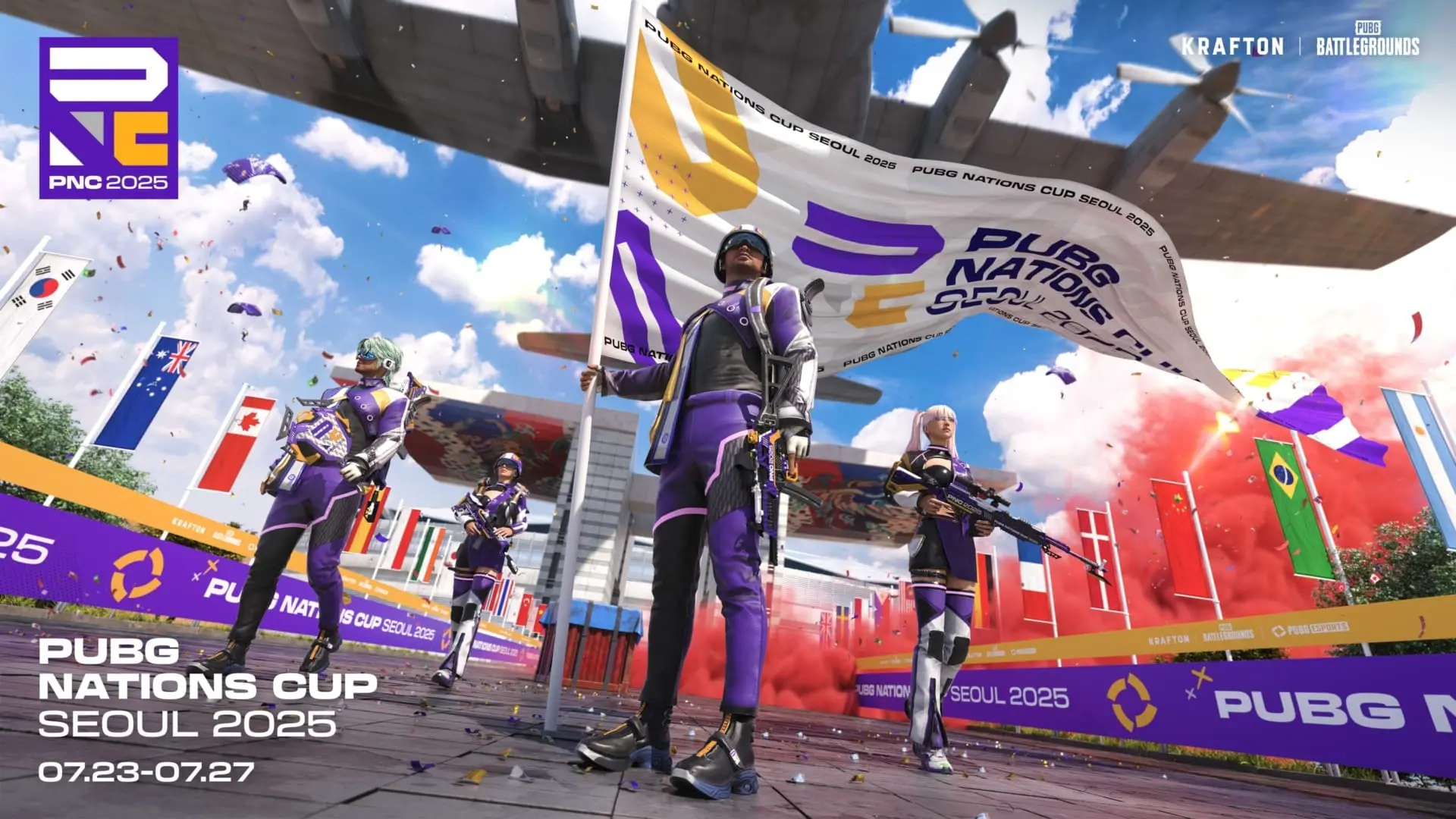
- EMEA countries: Denmark, Spain, France, Germany, Norway, Poland, Sweden, Türkiye and the United Kingdom
- Americas countries: Argentina, Brazil, Canada and the United States
- Roster size: four players and one coach per country
- Primary selection route: roster spots one to three are based on top performances across PEC: Fall 2024 and PEC: Spring 2025 in EMEA, and PAS4 and PAS5 in the Americas
- Final player and coach: the first three selected players then mutually decide roster spot four and the coach
- Org restriction: a maximum of two players from the same organisation can be selected unless an exemption is granted
- Restriction reference point: org affiliation is judged from PEC: Spring 2025 or PAS5, regardless of transfers made afterwards
- Australia exception: Australia uses a separate selection model based on PAS4, PAS5, PGS APAC Qualifier 2 2024 Finals and PGS APAC Qualifier 1 2025 Finals
That final restriction matters. It is a direct attempt to stop Nations Cup line-ups from becoming thinly disguised club rosters, while still leaving room for exemptions if a country simply does not have enough elite depth outside one organisation.
The venue choice is notable too. According to the event background referenced by community databases including Liquipedia’s event page, Seoul remains one of PUBG’s most recognisable international homes, so this is very clearly being framed as a flagship summer event rather than a side-show.
This looks like PUBG Esports pushing for a more standardised national-team model.
The big takeaway is that PUBG Esports is trying to make Nations Cup selection feel more system-led and less discretionary. Rewarding players through recent regional competition gives the event a clean link back to the live circuit, which is exactly the kind of continuity the scene has needed as formats and priorities keep shifting.
That also fits the broader pattern in PUBG’s official communication. As we covered in this previous PUBG Esports competitive update, the publisher has been steadily moving towards clearer rule-setting and more visible qualification pathways rather than leaving fans to piece things together from separate tournament announcements.
The two-player-per-org cap is the most revealing part of the policy. It protects the national-team identity of the event, but it also creates immediate roster tension in countries where one domestic core has dominated recent results. That means selectors are not just rewarding raw performance; they are balancing performance against representation and chemistry.
In practical terms, PUBG Esports is trying to preserve the Nations Cup fantasy without cutting ties to the year-round ecosystem that feeds it. Simple as that.
The next thing to watch is who actually makes each national roster.
The obvious next checkpoint is the results pipeline from PEC Spring 2025 and PAS5, because that is where the first three names on most teams will effectively be decided. After that, the pressure shifts to those players, who will then have to agree on a fourth teammate and a coach while working around the organisation cap.

That is where the interesting roster drama sits, especially for countries with clustered talent pools. Exemptions, if any are granted, will also be worth tracking closely because they could reshape the competitive ceiling of favourites before the teams even reach Seoul.
Beyond that, the full-field reveal matters just as much as the EMEA and Americas process. PUBG is clearly positioning PNC 2025 as part of a more coherent tournament ecosystem, the same kind of wider structuring seen in other official event announcements such as the ENC 2026 game-lineup confirmation, and that broader context matters in a market where competitive visibility still drives value, as shown in our recent look at top esports media value performers in Q1 2026.
The stakes are straightforward: if these rules produce balanced but star-heavy national rosters, PNC 2025 has every chance of feeling like a genuine marquee stop rather than just a nostalgia play.

Stay Updated with the Latest News
Get the most important stories delivered straight to your Google News feed — timely and reliable


From breaking news and in-depth match analysis to exclusive interviews and behind-the-scenes content, we bring you the stories that shape the esports scene in the UK.
Monthly Visitors
Esports Covered
Years experience
Trending Stories


Latest results
All Semente do Mal2
 MIBR fe1
 Fnatic1
 Team Secret0
 BESTIA Academy1
More to explore


