
CS2 pro handed 10-year ban after on-stage punch in shocking ruling
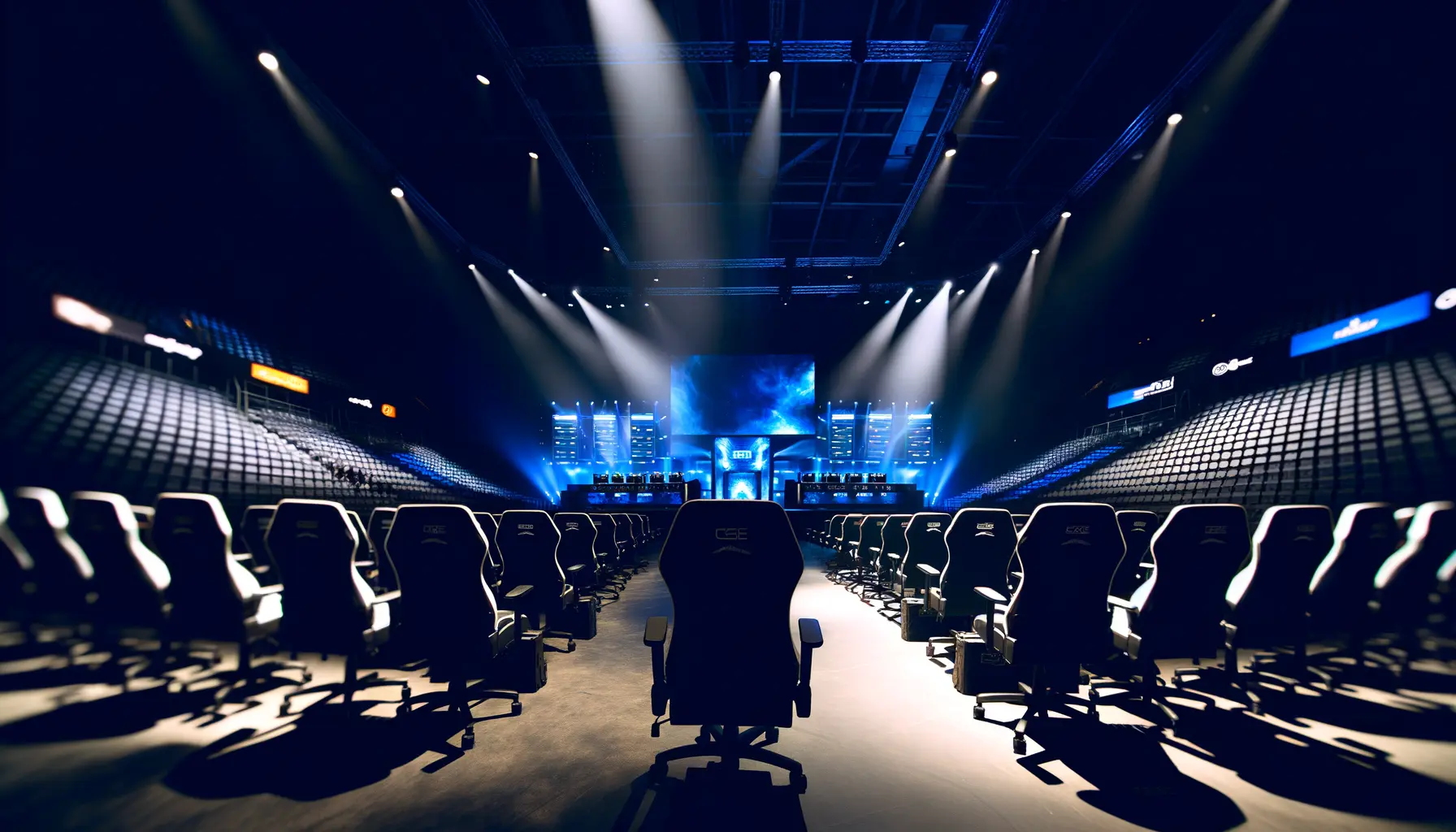

MAUschine has been handed a 10-year ban from DACH CS Masters events after punching rival player Fabian “Spidergum” Salomon on stage following a Counter-Strike 2 final.
The sanction follows one of the most jarring player conduct incidents the regional CS2 scene has seen in years.
That matters because this is not a routine misconduct ruling or a social media controversy. Physical violence at a LAN event cuts straight across competitive integrity, player safety and tournament operator duty of care, and the scale of the ban makes clear that organisers viewed it as a scene-defining breach rather than a momentary loss of control.
What the DACH CS Masters ruling says about the on-stage assault
According to reporting from Gamereactor, the incident took place after the DACH CS Masters final in Germany, when MAUschine approached the winning team on stage and struck Spidergum in the head. Wider reporting around the incident says tensions had carried over from light trash talk and celebration mimicry during the previous day of play, but the disciplinary action centres on the punch itself.
According to reports cited by multiple outlets, tournament organisers moved quickly after clips spread online and issued a ban of at least 10 years from DACH events. In a statement carried by coverage from Dexerto, DACH CS Masters said: “Surprisingly, we do not tolerate physical assaults against other players at LAN and have acted accordingly,” adding that “violence is pretty shitty and it has no place in our league.”
The confirmed points, as reported so far, are simple:
- the ban length is 10 years at minimum from DACH events
- the penalty was issued after an on-stage punch following the final
- the case has reportedly been referred to ESIC for possible wider review
As of writing, the tournament-side sanction is confirmed, while any broader scene-wide ban beyond DACH remains unresolved.
Why this is a significant competitive integrity case
That matters because esports governance tends to deal far more often with cheating, toxicity, harassment or contract disputes than direct physical assault during an event. A 10-year ban is therefore notable not just for its length, but for what it signals: organisers are treating player safety as inseparable from competitive integrity, not as a secondary admin issue once the match is over.
There is a wider ecosystem context here too. As Esports News UK recently covered in our report on a CS2 toxicity study raising broader conduct concerns, Counter-Strike still has a behaviour problem that does not stop at text chat or voice comms. Most of that conduct never escalates into real-world violence, of course, but tournaments cannot wait for the line to be crossed before deciding what standards actually mean.
The same logic has been visible across the industry more broadly, as seen in our coverage of integrity partnerships designed to tighten enforcement standards. If leagues want to present themselves as serious sporting environments, sanctions for physical attacks cannot be soft, ambiguous or negotiable.
This one was not.
A recurring concern in esports conduct and safety
This will not come as a surprise to those who have followed the scene closely. Esports has spent years trying to prove it can police player behaviour properly, whether the issue is online abuse, harassment, match integrity, or basic safeguarding at live events.
What makes this case different is not merely that a player was punished, but that the punishment reaches 10 years and appears designed to remove any grey area at all. Most conduct penalties in esports are shorter, narrower, or tied to online behaviour rather than a physical act carried out in front of staff, opponents and a live audience.
That is why the ruling lands as a precedent case. As seen in our coverage of organisations taking hard action over abuse and player safety, the industry has been moving toward stricter enforcement for some time. An on-stage punch simply forces the point more bluntly than most previous incidents.
DACH CS Masters has taken a hard public line
The clearest official response so far has come from the tournament itself. In statements reported by Dexerto and other outlets, DACH CS Masters said it had acted immediately and referred the matter onward, framing the case in direct terms rather than procedural language.
At the time of writing, there has been no widely reported public statement from MAUschine addressing the ban in detail, nor any confirmed wider ruling from ESIC. According to coverage from Escorenews, the regional decision has already become one of the most discussed CS2 discipline stories of the year because of both the footage and the severity of the penalty.
The community response has been predictable. Very few in Counter-Strike are arguing this deserved leniency.
What happens next is the question to watch
The next thing to watch is whether the ESIC referral turns this from a severe regional punishment into a wider competitive ban recognised across additional tournaments and circuits. That is the immediate escalation point, and it will determine whether MAUschine is effectively removed from the broader CS2 ecosystem or only from one tournament operator’s events.
For now, the immediate consequence is simple: a player crossed the clearest line possible at a LAN event and received one of the harshest sanctions the scene can hand down. The next question is whether the rest of Counter-Strike follows through.
Upcoming Counter-Strike 2 matches
Match centre





Stay Updated with the Latest News
Get the most important stories delivered straight to your Google News feed — timely and reliable


From breaking news and in-depth match analysis to exclusive interviews and behind-the-scenes content, we bring you the stories that shape the esports scene in the UK.
Monthly Visitors
Esports Covered
Years experience
Trending Stories