PUBG Esports publishes latest official competitive update
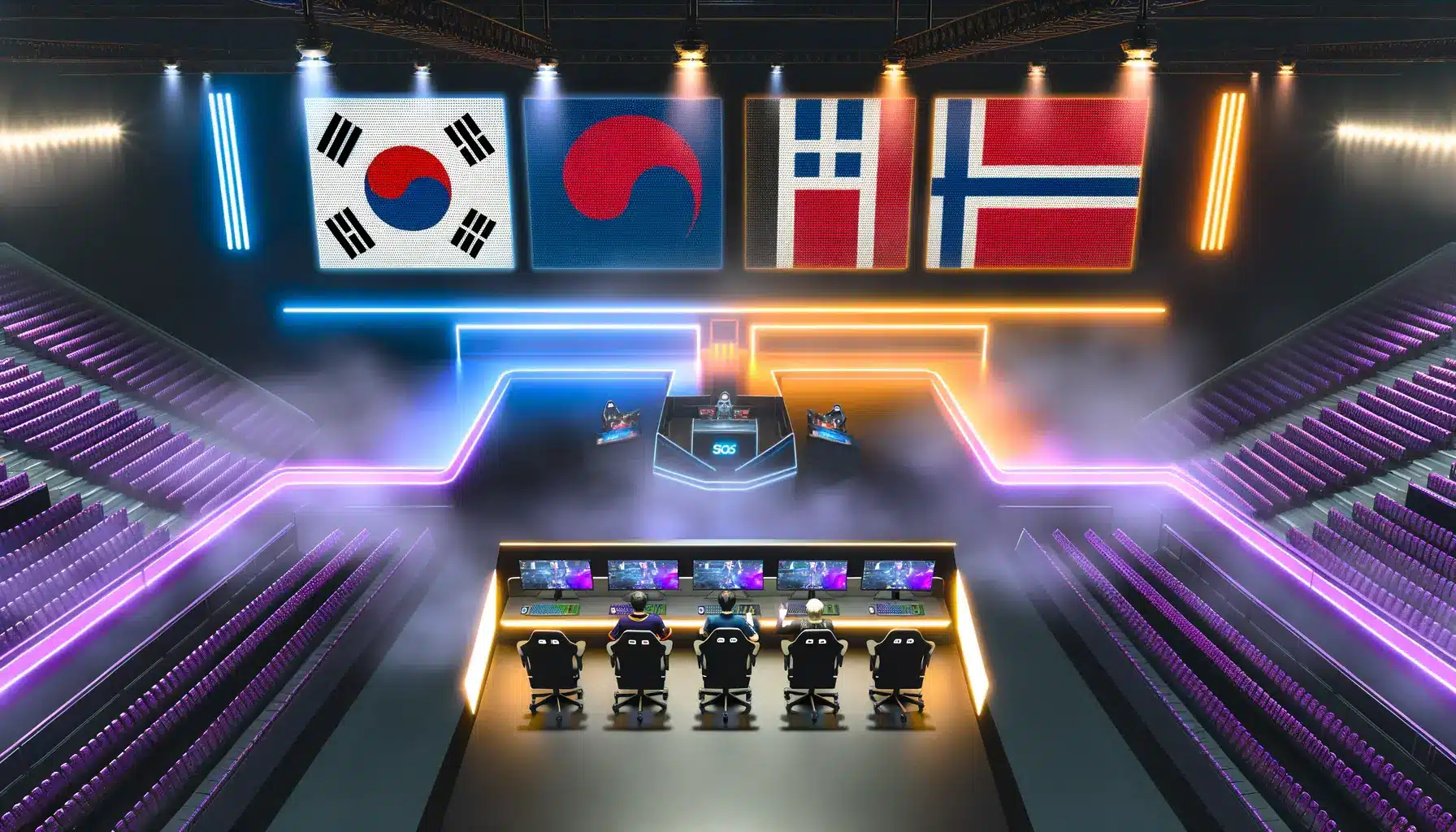

PUBG Esports has published its latest official competitive update, confirming how EMEA players will be selected for PUBG Nations Cup 2024.
According to the official announcement, Germany, Türkiye, the United Kingdom and Norway will each send a four-player roster plus one coach to Seoul, with most of the lineup determined through performance data from recent regional events.
The update sets out a clear EMEA selection process for PUBG Nations Cup 2024.
The biggest takeaway is that PUBG Esports has now locked in a formal methodology for roster building rather than leaving national-team selection to a looser invite process. For the EMEA field, roster spots one to three will be decided by internal calculations based on three metrics: Average Team Placement, Average Kills Per Match and Average Time Survived.
Those numbers will be pulled from PEC: Spring and the EWC: PUBG EMEA Closed Qualifiers, with equivalent first-party regional events also considered for players competing outside their home country. Spot four and the coach role will then be chosen by the three already-selected players. Simple as that.
- EMEA nations confirmed: Germany, Türkiye, United Kingdom and Norway
- Roster size: four players and one coach per country
- Event dates: September 6th to 8th, 2024
- Venue: KyungHee Grand Peace Hall in Seoul, South Korea
- Roster cap: maximum two players from the same team or organisation, unless a country has five or fewer eligible players
That final restriction matters. It is a small rule on paper, but it stops any one domestic core from effectively becoming the whole national side unless the player pool is genuinely thin.
This looks like PUBG Esports pushing for a more standardised national-team model.
What stands out here is the balance between hard data and player input. PUBG Esports is using measurable performance to secure the core of each roster, then leaving the final slot and coach pick to the players already chosen. That gives the process structure without removing chemistry from the equation.
It also fits the broader way organisers are treating competitive ecosystem updates right now. We have seen similar emphasis on formal competitive frameworks in other international events, including the recently announced Esports Nations Cup 2026 game lineup. Across esports, tournament operators are putting more detail on qualification, representation and roster rules because those details shape legitimacy as much as the matches themselves.
For PUBG specifically, this is another sign that PNC remains an important mid-calendar tentpole alongside the wider global circuit. That is especially relevant in a year where the game has also been generating headlines outside pure competition, from esports ecosystem positioning to broader franchise moves like PUBG’s K-pop collaboration push.
The next thing to watch is who actually makes each roster.
This update explains the method, but not the final names. That leaves the most interesting part of the story still to come: which players top the internal rankings for the UK, Germany, Türkiye and Norway, and whether the two-player organisation cap forces difficult calls when domestic talent is concentrated on a few lineups.
It is also worth watching whether PUBG Esports applies this same structure cleanly in other regions, given the announcement says the Americas and Australia will use the same method. According to Liquipedia’s event listing, PNC 2024 was already one of the key international stops on the calendar, and events like this continue to matter in the wider conversation about tournament visibility and value covered in our look at top esports media value in Q1 2026.
The next milestones are straightforward: final roster reveals, confirmation of how other regions mirror this process, and then the event itself in Seoul from September 6th to 8th. That is when this policy update turns into an actual competitive test.

Stay Updated with the Latest News
Get the most important stories delivered straight to your Google News feed — timely and reliable


From breaking news and in-depth match analysis to exclusive interviews and behind-the-scenes content, we bring you the stories that shape the esports scene in the UK.
Monthly Visitors
Esports Covered
Years experience
Trending Stories