PGL and StarLadder Open 2026 With 11 CS2 Events to Challenge ESL-BLAST
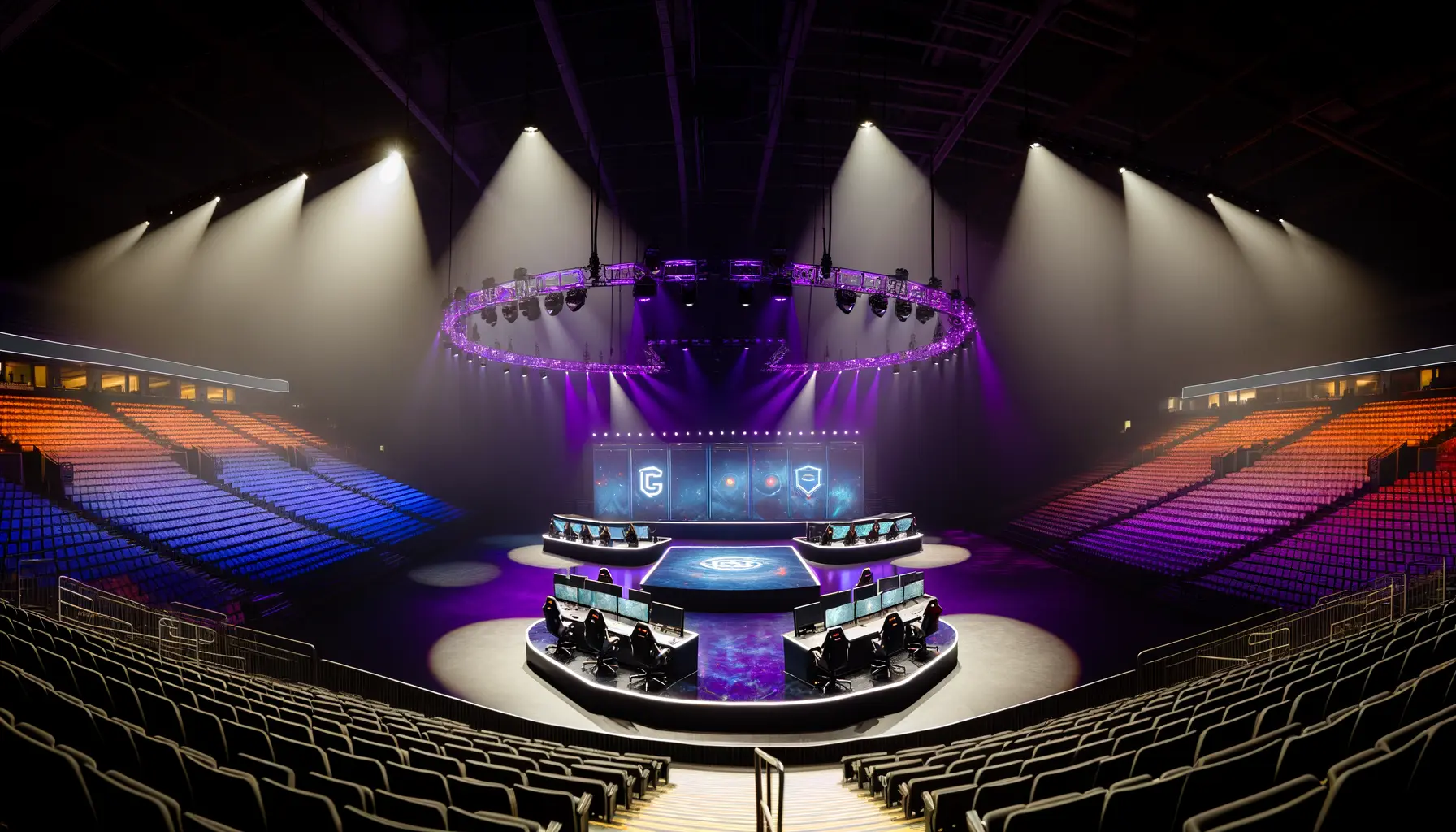

PGL and StarLadder have opened up the Tournament Calendar 2026 with 11 top-level CS2 events, creating the clearest challenge yet to the ESL-BLAST grip on elite Counter-Strike 2. That matters because the post-Valve Licensing era is no longer theoretical: the schedule is now visibly more open, more crowded and much more competitive.
For teams, fans and the wider Esports Business, this is the first real stress test of whether Valve’s open-circuit push can produce a healthier market without simply replacing one bottleneck with calendar overload.
What the PGL and StarLadder 2026 calendar push involves
According to reporting from HLTV, PGL and StarLadder have now locked in 11 tier-one event windows across 2026, with PGL taking the larger share and StarLadder continuing its return to top-flight Counter-Strike after its 2025 revival.
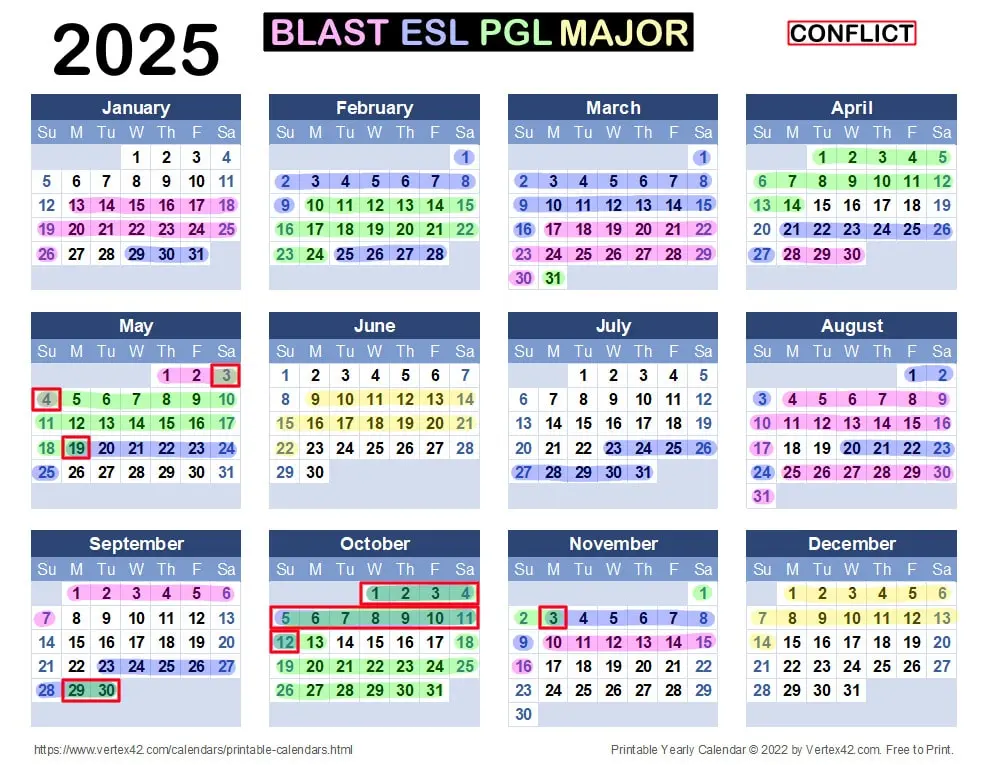
The shape of it is straightforward: PGL is positioning itself as a year-round tier-one operator again, while StarLadder is reclaiming premium dates around its StarSeries brand. Together, they give the 2026 CS2 calendar a much broader top-end than the old two-pole system allowed.
- PGL is understood to have five key 2026 events on the slate, including Cluj-Napoca from February 9-22 with a $625,000 (~£469,000) prize pool, Bucharest from April 4-11 at $1.25m (~£938,000), Astana from May 7-17 at $800,000 (~£600,000), Masters Bucharest from October 24-31 at $625,000 (~£469,000), and the Singapore Major from November 25 to December 13 at $1.25m (~£938,000).
- StarLadder has confirmed at least one premium 2026 date publicly in this cycle with StarSeries Fall 2026, scheduled for September 17-20, carrying a $250,000 (~£188,000) prize pool and an eight-team format.
- Earlier roadmap reporting around the open circuit also points to multiple StarSeries seasons spanning 2025 and 2026, with 2026 date claims in late May to early June and mid to late September.
- The broader significance is the total volume: 11 top-end event slots between the two organisers in one year, directly inserted into a calendar still dominated by ESL and BLAST fixtures.
- Some of those dates sit close to, or directly on top of, rival events, including a May crunch where PGL Astana collides with IEM Atlanta and other qualifier activity.
What has not been publicly detailed is the full final rulebook package for every event, including complete qualification mechanics, all venue specifics and the long-term commercial model behind every slot. Not every date has a fully published event page yet. That pitch makes sense.
What PGL and StarLadder said about the 2026 Counter-Strike 2 calendar fight
PGL’s public line has been consistent since Valve dismantled closed partner-era assumptions: the organiser says it wants a more open competitive ecosystem and has repeatedly framed its event expansion as a response to demand for broader access in Counter-Strike 2. In practice, that means more standalone events, more ranking relevance and more direct competition for elite team attendance.
StarLadder’s messaging has been similar, though with a slightly different emphasis. The company has presented its StarSeries return as a restoration play for a historic Counter-Strike brand, with regional qualifiers and a clearer route back into tier-one relevance after years away from the centre of the circuit.
Together, the message from both sides is straightforward: the old market structure left room for more than two premium operators, and Valve Licensing changes have finally made it possible to act on that. Neither organiser is talking like a niche alternative. Both are talking like incumbents returning to claim space.
The wider Counter-Strike esports business is entering a more crowded open-circuit phase
This is bigger than two organisers adding dates. It is a structural shift in Esports Business created by Valve’s intervention in how top Counter-Strike events are licensed, sold and populated. Once partner-team protections were stripped back, the premium end of the market stopped being a semi-closed club and started looking more like a land grab.
That has obvious upside. More operators means more bids for hosting rights, more chances for teams outside legacy relationships, and more variety in broadcast and event formats. It also means the Tournament Calendar 2026 is becoming brutally dense, which raises the risk that openness on paper turns into exhaustion in practice.
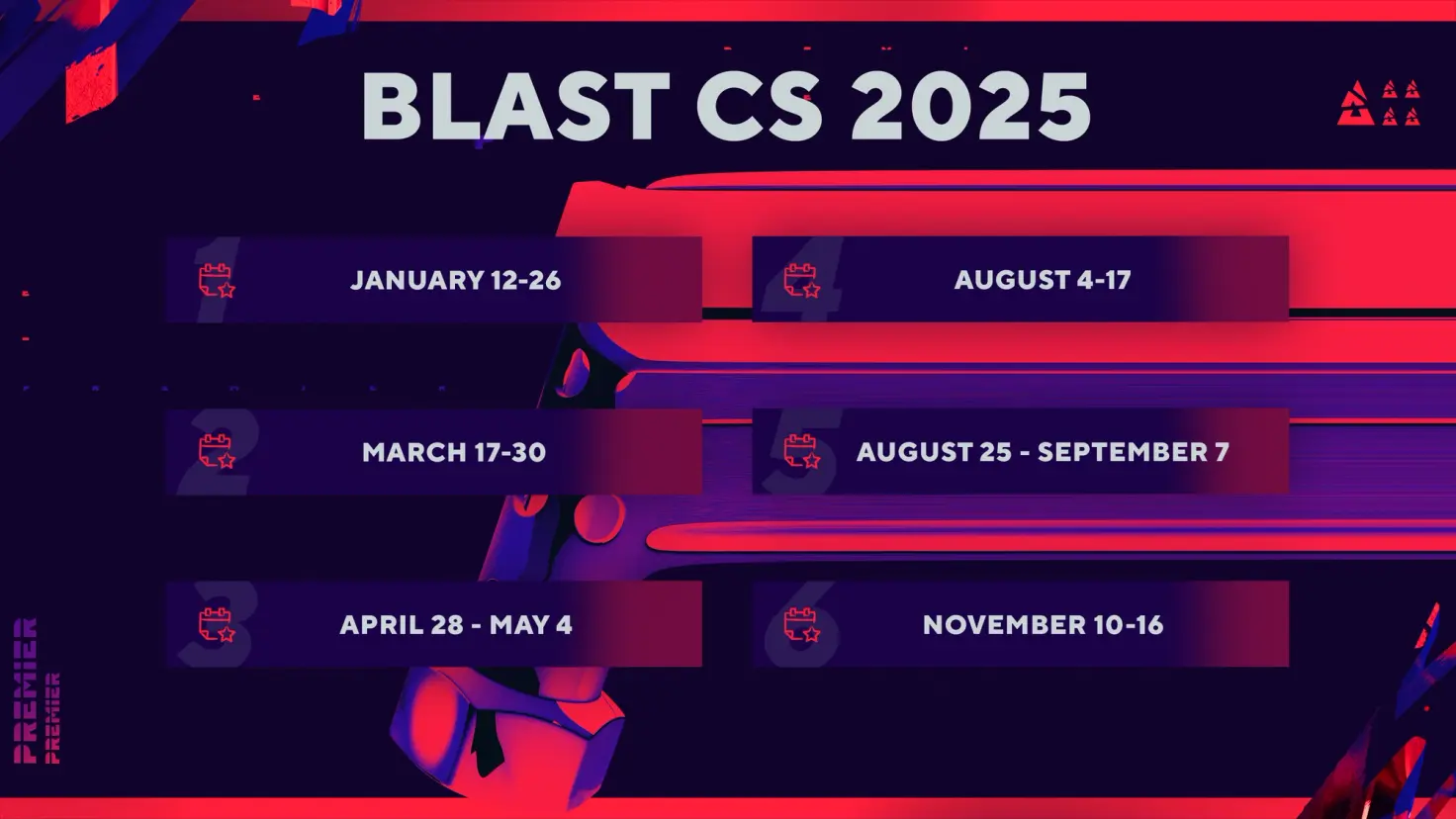
That tension is already visible. As Esports News UK recently covered in our report on BLAST’s Porto plans, BLAST is still aggressively defending premium dates, while ESL remains active on the commercial side, as Esports News UK recently covered in our coverage of ESL FACEIT Group’s Kick partnership. The incumbents are not stepping aside.
PGL, meanwhile, has already shown in 2026 that it can convert calendar ambition into actual event delivery. As Esports News UK recently covered in our coverage of FUT Esports’ title win at PGL Bucharest, the organiser is not just filing for dates; it is running headline events with tier-one stakes and attracting serious team attention.
Simple as that.
The other important point is that this is exactly what Valve said it wanted: a less centralised marketplace where tournament access is driven by sporting criteria rather than inherited partnership status. Whether that version of Valve Licensing creates a genuinely healthier Counter-Strike 2 ecosystem will depend less on announcements and more on attendance quality, broadcast performance and whether teams can navigate the schedule without burning out.
What comes next
The next checkpoint is whether these 2026 slots hold their value once full invites, qualifiers and overlapping commitments are locked in across the rest of the year. Watch the May and September clusters in particular, because those are the periods most likely to show which events teams actually prioritise when the calendar gets tight.
If this lands cleanly, the real test will be whether PGL and StarLadder can turn date claims into repeatable tier-one gravity rather than one-year disruption. The open era is here, but now it has to work on the server and on the spreadsheet.

Stay Updated with the Latest News
Get the most important stories delivered straight to your Google News feed — timely and reliable


From breaking news and in-depth match analysis to exclusive interviews and behind-the-scenes content, we bring you the stories that shape the esports scene in the UK.
Monthly Visitors
Esports Covered
Years experience
Trending Stories

More to explore